By the Active Wellness Team
Brain health and cognitive fitness have quickly become some of the fastest-growing areas in health and wellness, and for good reason. People want to live long lives, but many are realizing that longevity without quality of life isn’t the goal.
Rising rates of cognitive decline, chronic stress, and sedentary lifestyles, combined with major advances in neuroscience, have made brain health impossible to ignore. The focus has shifted from simply treating problems to actively training the brain for performance and resilience.
That was the core message shared by Ryan Glatt, PhD(c), MES, NBC-HWC, Senior Brain Coach at the Pacific Neuroscience Institute, during his presentation at our Active University event in late 2025. It continues to shape our focus as an organization in 2026: The future of fitness isn’t just about building stronger bodies; it’s about building stronger brains, too.
Your Brain Is Built to Adapt At Any Age
One of the most encouraging discoveries in neuroscience is the concept of neuroplasticity—the brain’s ability to reorganize and adapt throughout life. What matters most is how we challenge it. Regular activity that is meaningful and appropriately challenging helps strengthen neural connections.
Exercise is one of the most powerful tools for doing just that. On a day-to-day level, movement improves mood, mental clarity, and sleep quality. Beneath the surface, it supports:
- The Hippocampus: Supports memory; grows with aerobic and resistance training.
- The Frontal Lobe: Responsible for executive function; strengthened through resistance training.
- The Cerebellum & Basal Ganglia: Supports coordination; challenged by skill-based activities like dance and martial arts.
Why “Just Moving” Isn’t Always Enough
While traditional workouts are excellent for physical health, many don’t place much demand on the brain. As Glatt explained, the goal is to move toward “moving with thought.”
This is where cognitive fitness truly begins. It involves dual-task training, performing a physical task and a cognitive task simultaneously (such as balancing while solving a mental puzzle). Research shows that dual-task training often leads to greater cognitive improvements than physical exercise alone, enhancing processing speed and motor performance.
The Power of Re:Act and Exergaming
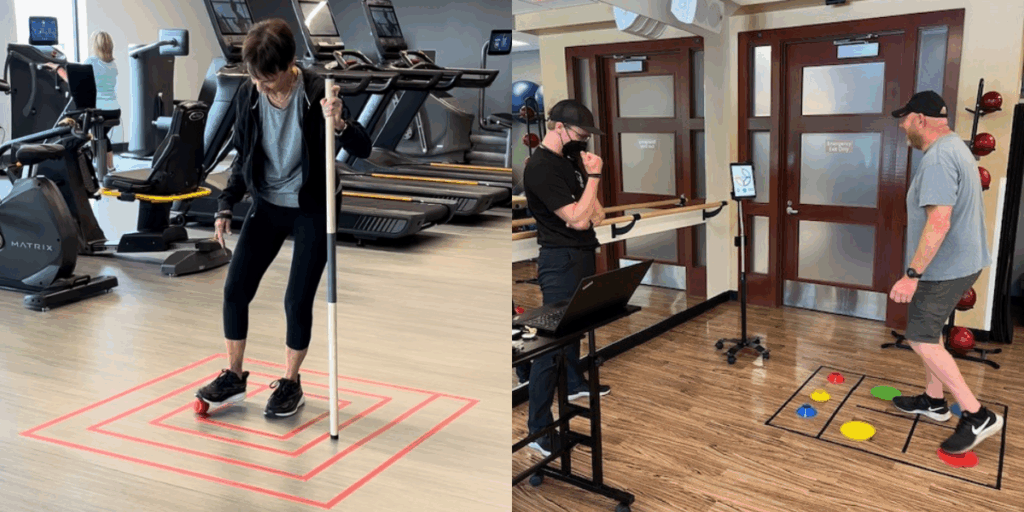
At Active Wellness, we believe brain health should be trained with the same intention as physical fitness. This belief is the foundation of our Re:Act Brain and Body program.
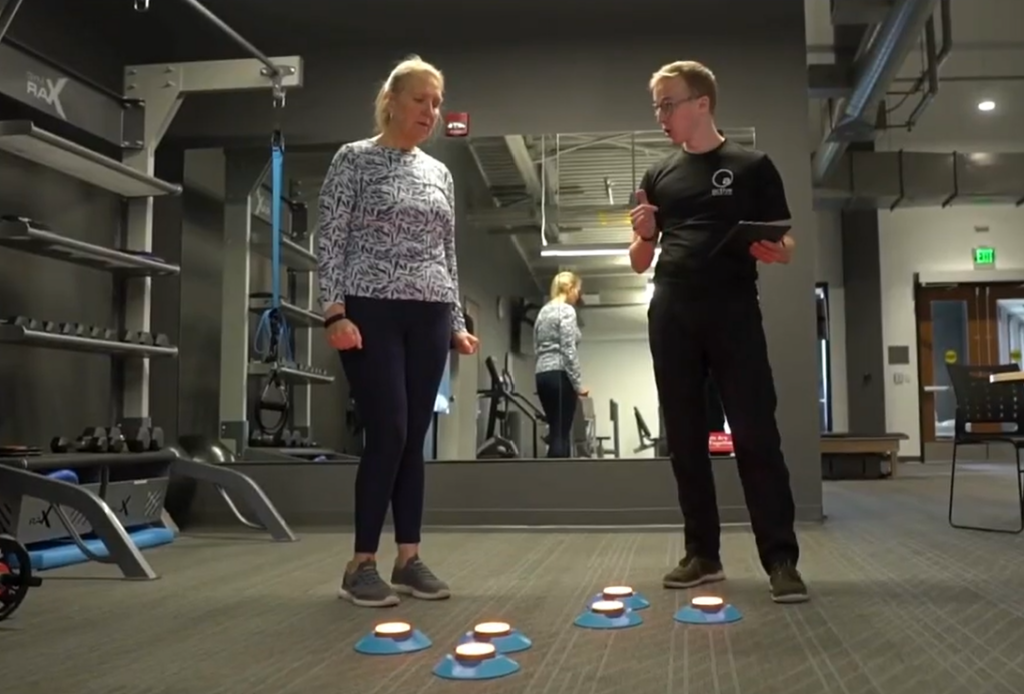
Re:Act goes beyond traditional programming by integrating exergaming, exercise gaming that requires real-time decision-making, coordination, and attention. Unlike repetitive workouts, Re:Act introduces novelty and complexity through interactive technology. This play-based approach increases motivation and long-term adherence, making it a cornerstone of modern wellness center management. By adding a meaningful cognitive layer, Re:Act helps participants improve reaction time, memory, performance, and confidence in everyday life.
Re:Act Member Testimonial
Partnering with Active Wellness for the Future
Successfully implementing these advanced programs requires a partner who understands the complexities of the modern fitness landscape. Active Wellness works like a dedicated internal agency for your brand, offering years of expertise in fitness center management and wellness center design. We help companies grow by providing scalable, “plug-and-play” solutions that remain deeply relevant to local communities. From brand strategy and environmental design to staffing and site-specific programming, our team ensures your facility stands out.
As brain health continues to shape the future of wellness, Active Wellness is committed to leading that evolution. With Re:Act, we’re not just helping people move better, we’re helping them think better and live with greater resilience at every stage of life.
Ready to add Brain Training solutions to your fitness facility? Contact us here. Or learn more about our comprehensive management services here.


