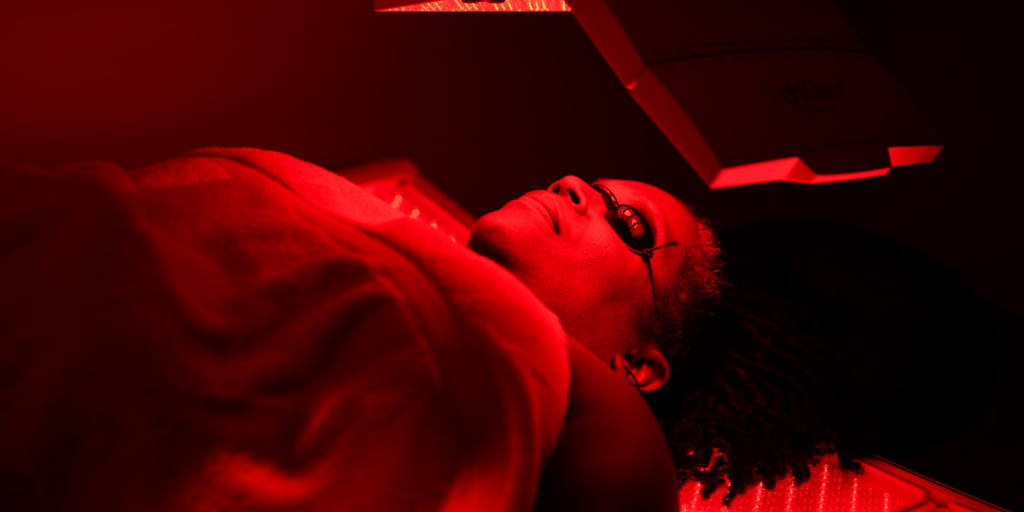
Red light therapy has quickly become a staple in modern recovery and performance environments. At Active Wellness, we’ve integrated Red Light Therapy in two unique ways to support both luxury recovery and everyday performance. In our high-end spa settings, guests enjoy a hands-on experience guided by our expert staff, combining the rejuvenating benefits of red light with treatments designed to promote circumference reduction, cellular renewal, and relaxation. Meanwhile, in our commercial fitness centers, red light therapy is offered as a self-service recovery option that members can easily book and use independently after onboarding. This model provides all the same science-backed recovery and performance benefits with minimal staff overhead, making it an accessible, results-driven wellness amenity for every fitness enthusiast.
When thoughtfully integrated into a facility through intentional wellness center design, this modality shifts from novelty to a reliable, repeatable service that members actually use. The most successful spaces are planned with both the user and the operator in mind, balancing comfort, privacy, and efficiency through strong wellness space design and planning. Building on the foundational strategies we shared in our last post for launching recovery spaces, this practical checklist helps ensure nothing critical is overlooked, whether you are adding a full-service spa room or rolling out a self-service recovery suite.
Designing a dedicated Red Light Therapy room isn’t just about aesthetic trends—it’s a highly viable business strategy. Since launching our own full-body red light bed, the amenity has already fully covered its initial equipment costs. By implementing a seamless booking system and an optimized layout, we’ve seen consistent month-over-month engagement and a steady stream of year-to-date revenue that proves how hungry members are for premium recovery options.
Space Planning Essentials for Wellness Center Design
Start by confirming that the room footprint supports both the equipment and the user experience. Red light therapy rooms should feel calm and intentional, not cramped or improvised.
- [ ] Clearances: Ensure ample clearance around panels or pods for safe, comfortable entry and exit.
- [ ] Dwell Seating: A dedicated bench or chair designed for comfort during longer dwell times.
- [ ] Storage: Hooks, shelves, or cubbies to keep clothing and personal items off the floor.
- [ ] Sightlines: Door swing and internal circulation layouts that naturally protect member privacy when the door opens.
Management Tip: In facilities that already manage multiple recovery modalities, aligning this room with existing layouts simplifies ongoing wellness center management and staff training.
Environmental Comfort and Privacy
While red light therapy itself is the focal point, the supporting environmental details determine whether members return. This is especially important in wellness space design for gyms, where recovery zones often sit adjacent to high-energy training areas.
- [ ] Transition Lighting: Dimmable ambient lighting for smooth transitions in and out of bright sessions.
- [ ] Physical Visual Buffers: Solid doors, heavy curtains, or architectural buffers separating the room from public corridors.
- [ ] Climate Control: Dedicated temperature control or enhanced airflow to prevent overheating during back-to-back sessions.
- [ ] Acoustic Separation: Soundproofing or acoustic panels to block noise from louder fitness zones.
Finishes and Durability for Daily Use
Red light therapy rooms experience frequent turnover. Materials should support rigorous cleaning protocols without compromising aesthetics, particularly in facilities aligned with medical wellness center design standards.
- [ ] Non-Porous Surfaces: Easily cleanable wall finishes near light panels and high-touch areas.
- [ ] Commercial Flooring: Durable, non-slip, and easily sanitized commercial-grade flooring.
- [ ] High-Grade Upholstery: Seating and bench fabrics rated for medical-grade disinfectants.
- [ ] Sanitation Stations: Hands-free waste baskets and wipe dispensers integrated seamlessly into the room layout.
Durable finishes protect long-term performance and support consistent wellness facility operations without adding to staff burden.
Technology, Controls, and User Guidance
A well-designed room minimizes confusion and maximizes independence for users, strengthening overall fitness and wellness center management outcomes.
- [ ] Intuitive Controls: Simple, clearly labeled controls or automated presets.
- [ ] Visible Timers: Session countdown timers visible to both the user inside and staff outside.
- [ ] Clear Signage: In-room graphics outlining proper use, session length, and safety notes (e.g., eye protection).
- [ ] Safety Backups: An emergency stop button or staff call button where appropriate.
Operational Flow and Scheduling
Red light therapy works best when it fits seamlessly into your daily booking schedules. Facilities that treat red light therapy as a structured appointment type see stronger utilization and smoother management across peak hours.
- [ ] Status Indicators: Clear “clean-to-ready” indicator lights or signs for staff.
- [ ] Standardized Resets: Defined, rapid reset procedures for staff between sessions.
- [ ] Realistic Booking Buffers: Multi-slot booking durations that account for actual turnover and cleaning times.
- [ ] Proximity to Staff: Positioned within staff sightlines for security and assistance without sacrificing member privacy.
Designing for Long-Term Value
Designing an effective red light therapy room is about more than installing equipment. Strong wellness space design and planning ensure comfort for members, clarity for staff, and durability for operators. Whether you are aiming for a high-end, staff-guided experience or a seamless, low-overhead self-service model, thoughtful execution within your overall wellness center design helps transform a trending modality into a long-term asset for your facility and your members.
Real-World Proof: The Member Impact
Implementing these design principles isn’t just about creating a beautiful space; it’s about delivering real, tangible results that keep members coming back week after week.
Since launching our full-body red light bed, we’ve seen high utilization from unique users who rely on the space for everything from athletic recovery to skin health. Here is what our members are saying about their experiences in our dedicated room:
“My goal was to achieve a healthier me. After 13 visits, I have experienced positive results from Red Light. Most noticeable results were loss of inches, firmer and healthier looking skin and a leaner, flatter Tummy. Wow…all this achieved by laying on a comfy table and relaxing for my 30 minute sessions. I will absolutely continue with Red Light in the future for even more positive results. 62 is looking better on me :)” > — Dorothy S.
“I have noticed that my arthritic pain has almost gone away while doing the therapy. It lasts week to week. It is a huge benefit to me as I have arthritis in all of my joints. Definitely worth it and so relaxing.” > — Jackie C.
Elevate Your Wellness Offerings
Let the Active Wellness team guide you in selecting the ideal red light solution for your community, promoting member health, recovery, and longevity while enhancing retention and driving fitness center revenue.
Ready to elevate your community’s wellness offerings? Contact us today.
You might also like:
Red Light Therapy: The Science-Backed Secret to Better Recovery, Energy, and Longevity


